We analyzed more than 77 backlink analysis and SEO tools to find the best platforms for researching competitor backlinks, referring domains, link gaps and link building opportunities. These tools help SEO agencies, freelancers, in-house marketing teams and website owners understand where competitors are getting links, compare backlink profiles and find websites that may be worth targeting for outreach.
In 2026, competitor backlink analysis is becoming more important because link building is increasingly focused on quality, relevance and authority rather than simply increasing the number of backlinks. Businesses need to understand which websites are linking to their competitors, which links are helping them build authority and where gaps exist in their own backlink profiles.
Today, competitor backlink analysis is not only about checking how many backlinks a competing website has. The best tools provide referring domain analysis, backlink gap research, new and lost link tracking, anchor text data, authority metrics, link quality evaluation and historical backlink information. Some platforms also connect backlink analysis with keyword research, rank tracking, digital PR and outreach workflows, helping teams turn competitor link data into practical link building opportunities.
Tools such as TaskGlaze, Ahrefs, Semrush, SE Ranking and Majestic stand out for their backlink research, competitor analysis, link discovery capabilities and broader SEO features.
How We Selected the Best Competitor Backlink Analysis Tools
We used the following points to choose the top competitor backlink analysis tools:
Backlink Database and Coverage – 20%
We checked how much backlink data each platform provides and how well it identifies links, referring domains and linking pages across competitor websites.
Competitor Backlink Research – 15%
We reviewed how easily users can analyze competitor backlink profiles, compare domains and understand where competing websites are earning links.
Backlink Gap Analysis – 15%
Tools received better scores if they can identify websites that link to competitors but do not currently link to the user’s own website.
Link Quality and Authority Metrics – 15%
We looked at how each platform evaluates backlink quality using authority, trust, relevance, spam and other link quality signals.
New and Lost Backlink Tracking – 10%
We checked whether users can monitor when competitors gain or lose backlinks and follow changes in their link profiles over time.
Filtering and Link Data – 10%
Tools received higher scores if they provide useful filters for anchor text, link type, dofollow and nofollow status, referring pages, authority and other backlink attributes.
Reporting and Historical Data – 10%
We evaluated backlink history, competitor comparison reports, exports, dashboards and long-term link growth data.
Pricing and Value – 5%
We compared starting prices, backlink limits, competitor analysis features and overall value for agencies, freelancers and businesses.
Why Competitor Backlink Analysis Matters
Competitor backlink analysis helps businesses understand how competing websites are building authority in search results. Instead of guessing where to get links, SEO teams can study the websites, publications and pages that are already linking to competitors and use that information to build a more focused link building strategy.
It matters because backlinks are still an important part of SEO, but not every backlink provides the same value. A link from a relevant and trusted website can be much more useful than dozens of low-quality links. Competitor analysis helps identify which links may actually be worth pursuing.
It can also reveal backlink gaps. These are websites that link to one or more competitors but do not link to your own site. These gaps can become strong outreach opportunities because the website has already shown an interest in businesses, content or topics within your industry.
Competitor backlink analysis can also help SEO teams understand:
- Which competitors are gaining links fastest
- Which websites repeatedly link to competitors
- Which pages attract the most backlinks
- Which content formats earn the most links
- Which referring domains are most authoritative
- Where competitors are losing backlinks
- Which anchor texts are commonly used
- Which industries and publications are linking to competitors
- Where digital PR opportunities may exist
- Which backlinks may be difficult or unrealistic to replicate
For agencies and in-house SEO teams, this research can save time. Instead of building outreach lists from scratch, they can start with proven linking websites and then prioritize prospects based on authority, relevance and likelihood of earning a link.
In 2026, this is especially useful because link building is becoming more competitive and quality-focused. Competitor backlink data gives businesses a clearer picture of what is already working in their market and where they may be able to build stronger authority.
Here are the 10 Best Tools to Analyze Competitor Backlinks (2026)
- TaskGlaze
- Ahrefs
- Semrush
- SE Ranking
- Moz Pro
- Majestic
- Serpstat
- SEO SpyGlass
- SpyFu
- CognitiveSEO
Quick Comparison of the Best Competitor Backlink Analysis Tools
| Tool | Best For | Key Competitor Backlink Feature | Starting Price |
|---|---|---|---|
| TaskGlaze | Agencies and link builders | Backlink gap research and link opportunity discovery | $39/month |
| Ahrefs | Deep backlink research | Site Explorer and Link Intersect | $129/month |
| Semrush | All-in-one SEO teams | Backlink Analytics and Backlink Gap | About $139/month |
| SE Ranking | Small and midsize teams | Competitor backlink monitoring and comparison | About $103/month |
| Moz Pro | Beginners and consultants | Link Explorer and Link Intersect | Varies by plan |
| Majestic | Advanced link analysis | Trust Flow, Citation Flow and Historic Index | £39.99/month |
| Serpstat | Budget-conscious SEO teams | Competitor backlink and referring domain research | $50/month |
| SEO SpyGlass | Desktop-based backlink analysis | Competitor link intersection and detailed backlink auditing | $129/year |
| SpyFu | SEO + PPC competitor research | Competitor backlink discovery with keyword intelligence | $59/month |
| CognitiveSEO | Link quality and risk analysis | Unnatural link detection and backlink profile auditing | $129.99/month |
1. TaskGlaze

TaskGlaze is an SEO platform designed for agencies, SEO professionals and link builders that want to research competitor backlinks and turn that data into practical link building opportunities. It combines competitor backlink analysis with backlink gap research, rank tracking, keyword research, SEO auditing and campaign management. This makes it useful for teams that want to study where competitors are earning links and use those insights to guide their own outreach and link acquisition strategies.
Established: 2026
Founder Led: Yes
Leadership Experience: Founder Fakhir Ali has more than six years of experience managing SEO and link building campaigns, according to the company’s public product information.
Average Review Score: Not enough independent public reviews yet
Starting Price: $39/month with a 14-day free trial
Notable Users: SEO agencies, freelance SEO professionals, link builders and in-house SEO teams
Approach to Competitor Backlink Analysis:
- Competitor backlink discovery
- Referring domain analysis
- Competitor backlink profile research
- Backlink gap analysis
- Link opportunity discovery
- Competitor domain comparison
- Referring page research
- Backlink quality evaluation
- New backlink discovery
- Lost backlink monitoring
- Competitor link building research
- Prospect identification
- Link building campaign management
- Keyword and competitor research
- Backlink and SEO performance reporting
Summary of Online Reviews:
TaskGlaze is still a newer SEO platform, so it does not yet have the same volume of independent reviews as long-established backlink analysis platforms. Its main advantage is that competitor backlink research is connected with broader SEO and link building workflows. This can help users move from identifying competitor links to finding prospects, researching backlink gaps and managing link building campaigns without relying on several separate tools. More independent reviews are still needed to assess the size and freshness of its backlink database, long-term data accuracy and overall platform reliability.
Best For:
SEO agencies, freelance SEO professionals, link builders and in-house marketing teams that want to analyze competitor backlinks, identify backlink gaps and turn competitor link data into actionable link building opportunities from one platform.
2. Ahrefs

Ahrefs is an SEO and competitive research platform best known for its large-scale backlink index and Site Explorer tool. It allows users to examine the backlink profiles of competing websites, identify their strongest referring domains, inspect individual linking pages and discover links that competitors have gained or lost. Its backlink data can also be combined with organic traffic and keyword information to help teams prioritize link opportunities instead of evaluating backlinks in isolation.
Established: 2010
Founder Led: Yes
Leadership Experience: Ahrefs was founded by Dmitry Gerasimenko and has spent more than a decade developing its web crawler, backlink index and SEO intelligence products.
Average Review Score: Around 4.5/5 on G2
Starting Price: $29/month for Starter; Lite starts at $129/month
Notable Users: SEO agencies, enterprise SEO teams, affiliate marketers, content teams, link builders and digital marketing professionals
Approach to Competitor Backlink Analysis:
- Site Explorer backlink research
- Competitor referring domain analysis
- New and lost backlink tracking
- Link Intersect analysis
- Broken backlink research
- Referring page analysis
- Anchor text analysis
- Domain Rating evaluation
- URL Rating evaluation
- Dofollow and nofollow link filtering
- Backlink history research
- Competitor link growth analysis
- Organic traffic estimation for linking pages
- Backlink export and filtering
- Link prospect discovery
Summary of Online Reviews:
Ahrefs is widely used for backlink research because of the depth of its link index and the amount of filtering available inside Site Explorer. Users often value the ability to combine backlink data with organic keyword, traffic and competitor information. Its Link Intersect feature is particularly useful for discovering websites that link to several competitors but not to your own domain. The main criticism is usually cost, especially for freelancers or smaller teams that need higher usage limits.
Best For:
SEO professionals, agencies and experienced link builders that want deep competitor backlink data, strong filtering options and a mature backlink index for finding high-value link opportunities.
3. Semrush

Semrush is an all-in-one search marketing platform that combines SEO, competitor intelligence, backlink analysis, content research and reporting. Its backlink tools allow users to inspect competitor link profiles, compare multiple domains, discover referring domains and identify backlink gaps. This makes it useful for teams that want backlink analysis connected with keyword research, rankings, technical SEO and broader competitive intelligence.
Established: 2008
Founder Led: Originally founder led; now part of Adobe
Leadership Experience: Semrush was built by Oleg Shchegolev and Dmitry Melnikov and has developed into a large search and digital marketing intelligence platform used by businesses, agencies and enterprise teams.
Average Review Score: Around 4.4/5 on G2 from more than 4,000 reviews
Starting Price: About $139/month for the entry SEO plan when billed monthly
Notable Users: SEO agencies, marketing departments, enterprise brands, content marketers, digital PR teams and competitive intelligence professionals
Approach to Competitor Backlink Analysis:
- Backlink Analytics
- Backlink Gap
- Referring domain research
- Competitor domain comparison
- New and lost backlink monitoring
- Authority Score evaluation
- Anchor text analysis
- Referring page research
- Backlink type filtering
- Link attribute analysis
- Competitor backlink trend analysis
- Toxic link assessment
- Backlink auditing
- Link opportunity discovery
- Backlink data export
Summary of Online Reviews:
Semrush receives strong feedback for bringing several SEO and competitor research functions into a single platform. Reviewers regularly mention competitor analysis, keyword research, reporting and site auditing as key strengths. For backlink research, its main advantage is the ability to move between a competitor’s backlink profile, keyword visibility and overall organic performance without leaving the platform. Reviews also frequently mention its relatively high cost and the learning curve created by the number of available tools.
Best For:
SEO and marketing teams that want competitor backlink analysis as part of a larger SEO, content, keyword and competitive intelligence platform.
4. SE Ranking

SE Ranking is an SEO platform that combines rank tracking, competitive research, website auditing and backlink analysis. Its backlink research tools can be used to investigate competitors’ referring domains, individual backlinks and link profile changes. The platform is particularly useful for agencies and in-house teams that want competitor backlink information without moving to one of the highest-priced enterprise SEO platforms.
Established: 2013
Founder Led: Yes
Leadership Experience: SE Ranking has operated in the SEO software market for more than a decade and has expanded from rank tracking into competitive research, backlink analysis, technical SEO, content and AI-search visibility tools.
Average Review Score: Around 4.7/5 on G2 from more than 1,600 SE Ranking reviews
Starting Price: Current plans start around $103.20, with pricing depending on usage and package configuration
Notable Users: Small and midsize SEO agencies, freelancers, in-house SEO teams, consultants and digital marketing teams
Approach to Competitor Backlink Analysis:
- Competitor backlink research
- Referring domain analysis
- Domain backlink profile analysis
- New backlink monitoring
- Lost backlink monitoring
- Backlink Gap research
- Domain Trust evaluation
- Page Trust evaluation
- Anchor text analysis
- Dofollow and nofollow filtering
- Linking page analysis
- Competitor domain comparison
- Backlink monitoring
- Link opportunity research
- Backlink export and reporting
Summary of Online Reviews:
SE Ranking is often praised for combining a broad set of SEO functions with a comparatively accessible interface. Recent reviewers highlight competitor research, backlink analysis, site auditing and rank tracking while frequently describing the platform as good value compared with larger competitors. Some reviewers report limitations when handling deeper datasets or very large projects, and pricing has increased as the platform has expanded its feature set.
Best For:
Small to midsize agencies, freelancers and in-house SEO teams that want competitor backlink research together with rank tracking, SEO auditing and competitive analysis.
5. Moz Pro

Moz Pro is an SEO software suite that combines keyword research, rank tracking, site crawling and backlink research. Its Link Explorer database allows users to investigate backlinks pointing to competing websites, compare link authority and find websites that may represent potential outreach opportunities. Moz is also known for metrics such as Domain Authority and Page Authority, which are commonly used when comparing websites and link prospects.
Established: 2004
Founder Led: Founded by Rand Fishkin and Gillian Muessig; no longer founder led
Leadership Experience: Moz has been active in SEO education, software and search marketing for more than two decades and was one of the early companies to popularize third-party link authority metrics.
Average Review Score: Around 4.3/5 on G2 from more than 600 reviews
Starting Price: Depends on the current Moz Pro package and billing cycle
Notable Users: SEO consultants, small businesses, marketing teams, agencies, content teams and website owners
Approach to Competitor Backlink Analysis:
- Link Explorer
- Competitor backlink research
- Linking domain analysis
- Link Intersect
- Domain Authority comparison
- Page Authority analysis
- Spam Score evaluation
- Anchor text analysis
- Discovered and lost links
- Linking page research
- Dofollow link research
- Competitor domain comparison
- Link profile benchmarking
- Link opportunity identification
- Backlink export
Summary of Online Reviews:
Moz Pro is generally viewed as an accessible SEO platform with strong brand recognition and easy-to-understand authority metrics. Its backlink features are useful for comparing competing domains and identifying potential linking websites without requiring highly technical workflows. G2 reviewers give Moz Pro an average rating of about 4.3/5. More advanced link builders may prefer platforms with larger datasets or more granular backlink filtering, but Moz remains useful for straightforward competitor link analysis.
Best For:
SEO beginners, consultants, small businesses and marketing teams that want understandable backlink metrics and straightforward competitor link research.
6. Majestic

Majestic is a specialist backlink intelligence platform built primarily around crawling and mapping links across the web. Unlike broader all-in-one SEO suites, its core focus is link intelligence. This makes it particularly useful for users who want to study competitor backlink networks, topical relevance, referring domains and historical link profiles in greater detail.
Established: 2004
Founder Led: Yes
Leadership Experience: Majestic has focused on web crawling and link intelligence since 2004, making it one of the longest-running specialist backlink analysis platforms.
Average Review Score: Around 4.3/5 on G2 from more than 70 reviews
Starting Price: £39.99/month for Lite; Pro starts at £79.99/month
Notable Users: Technical SEOs, link builders, domain investors, agencies, affiliate marketers and competitive intelligence specialists
Approach to Competitor Backlink Analysis:
- Site Explorer
- Fresh Index
- Historic Index
- Trust Flow
- Citation Flow
- Topical Trust Flow
- Referring domain analysis
- Referring IP analysis
- Referring subnet analysis
- Link Context
- Link Graph
- Backlink history
- Compare Sites
- Clique Hunter
- Bulk Backlink Checker
Summary of Online Reviews:
Majestic receives positive feedback from users who want a platform dedicated specifically to backlinks and link intelligence. Its Trust Flow, Citation Flow and Topical Trust Flow metrics help users evaluate authority and topical relevance while its Historic Index supports deeper research into how backlink profiles have changed over time. The platform can feel more technical than general-purpose SEO tools, particularly for users who mainly need simple competitor comparisons. G2 currently lists Majestic at about 4.3/5.
Best For:
Experienced SEOs, link builders and agencies that want specialized backlink intelligence, historical link data and detailed analysis of competitor link networks.
7. Serpstat

Serpstat is an all-in-one search marketing platform offering keyword research, rank tracking, website analysis, auditing and backlink analysis. Its competitor backlink tools help users inspect referring domains, compare link profiles and identify websites that may be useful for future outreach. The platform is positioned as a practical alternative for teams that want several SEO tools within one subscription.
Established: 2013
Founder Led: Yes
Leadership Experience: Serpstat began as an internal keyword research tool before expanding into a wider SEO and search intelligence platform covering rankings, backlinks, auditing and competitor analysis.
Average Review Score: Around 4.6/5 on G2 from more than 460 reviews
Starting Price: $50/month for the Individual plan on the current pricing page
Notable Users: Freelancers, SEO agencies, content marketers, small businesses and in-house marketing teams
Approach to Competitor Backlink Analysis:
- Competitor backlink research
- Referring domain analysis
- Backlink overview
- New and lost backlink tracking
- Anchor text analysis
- Referring page research
- Domain comparison
- Backlink history
- Link authority research
- Malicious link identification
- Competitor link discovery
- Backlink Gap research
- Batch domain analysis
- Link data export
- SEO competitor research
Summary of Online Reviews:
Serpstat receives generally positive reviews for offering a wide range of SEO functions in one platform. G2 currently lists it at about 4.6/5 from hundreds of reviews. Reviewers commonly value its competitive research, keyword analysis and auditing capabilities. For backlink research, it provides enough functionality for many routine competitor investigations, although specialist link builders may prefer platforms with deeper backlink indexes and more advanced link-specific workflows.
Best For:
Freelancers, smaller agencies and marketing teams that want competitor backlink analysis alongside keyword research, rank tracking and site auditing at a moderate price.
8. SEO SpyGlass

SEO SpyGlass is the backlink analysis component of SEO PowerSuite. Unlike most browser-based SEO platforms, it operates primarily as desktop software and focuses heavily on backlink discovery, link auditing and competitor link profile comparison. Users can research backlinks to competing websites, compare multiple domains and evaluate potential link opportunities without the same project limits found in many cloud SEO tools.
Established: Part of SEO PowerSuite, launched in the mid-2000s
Founder Led: Yes
Leadership Experience: Link-Assistant.com has developed SEO PowerSuite for well over a decade, with SEO SpyGlass serving as its dedicated backlink research and auditing application.
Average Review Score: SEO PowerSuite holds around 4.5/5 on G2 from more than 550 reviews
Starting Price: Free version available; SEO SpyGlass Professional starts at $129/year
Notable Users: Freelance SEOs, agencies, affiliate marketers, consultants and users who prefer desktop SEO software
Approach to Competitor Backlink Analysis:
- Competitor backlink discovery
- Unlimited backlink analysis on paid plans
- Link profile comparison
- Referring domain analysis
- Linking page analysis
- Penalty Risk evaluation
- InLink Rank
- Domain strength analysis
- Anchor text research
- Dofollow and nofollow analysis
- Historical backlink analysis
- New and lost link research
- Disavow file generation
- Competitor link intersection
- Backlink report exporting
Summary of Online Reviews:
SEO PowerSuite receives positive feedback for offering substantial SEO functionality without the usage restrictions common to many cloud platforms. G2 reviewers frequently mention its cost efficiency and broad feature set, including backlink research. SEO SpyGlass is especially attractive to users who want to analyze many websites without paying according to each project or lookup. The main drawback is that the software is desktop based, which some reviewers find less convenient for collaboration and cross-device workflows.
Best For:
Freelancers, consultants and link builders that want detailed competitor backlink research, generous usage limits and a lower annual cost than many cloud-based backlink platforms.
9. SpyFu
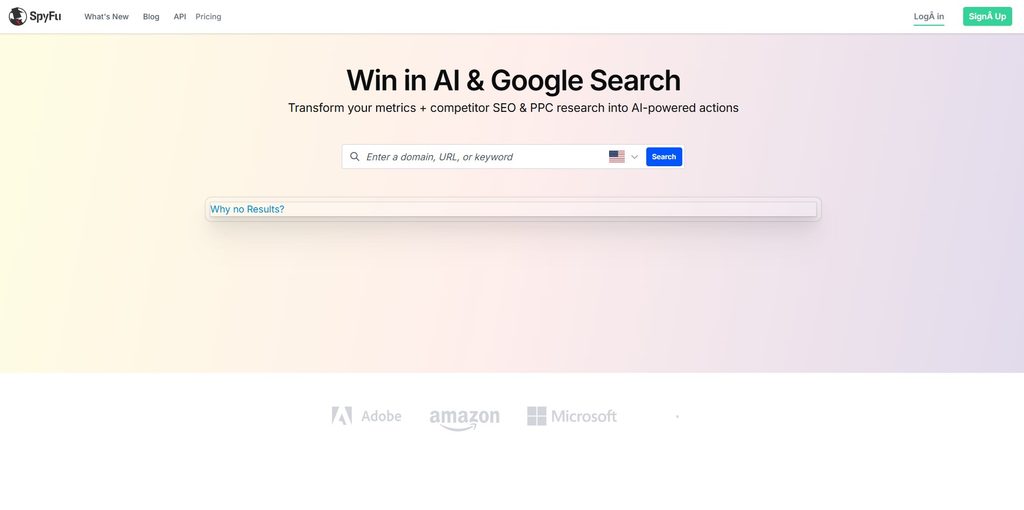
SpyFu is a competitive intelligence platform focused primarily on understanding competitors’ SEO and paid search strategies. Backlink research is one part of its wider competitive intelligence offering. Users can examine backlinks associated with competing domains and connect this information with competitor keywords, rankings, content and paid search data.
Established: 2006
Founder Led: Yes
Leadership Experience: SpyFu was founded by Mike Roberts and has spent roughly two decades developing SEO, PPC and competitor intelligence tools.
Average Review Score: Around 4.6/5 on G2 from more than 500 reviews
Starting Price: $59/month for Basic according to current G2-listed vendor pricing
Notable Users: SEO consultants, PPC professionals, small businesses, agencies, competitive intelligence teams and content marketers
Approach to Competitor Backlink Analysis:
- Competitor backlink discovery
- Domain backlink research
- Competitor SEO research
- Linking domain identification
- Backlink opportunity research
- Competitor keyword analysis
- Organic ranking comparison
- Domain comparison
- Competitor history
- Keyword-to-backlink research
- SEO competitor discovery
- Outreach prospect research
- Backlink filtering
- Domain strength comparison
- Competitive intelligence reporting
Summary of Online Reviews:
SpyFu receives strong feedback for competitive research, particularly when users want to investigate SEO and PPC competitors from the same interface. G2 lists the platform at about 4.6/5 from more than 500 reviews. Its backlink capabilities are useful when link research is part of a broader competitor investigation, but backlinks are not as central to the platform as they are with Ahrefs, Majestic or SEO SpyGlass.
Best For:
SEO and PPC professionals that want to combine competitor backlink research with organic keyword, ranking and paid search intelligence.
10. CognitiveSEO
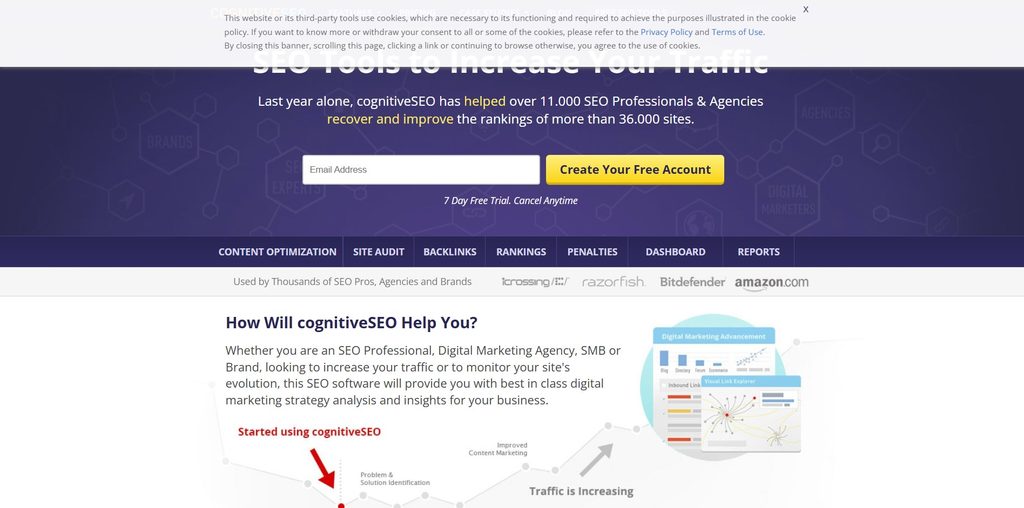
CognitiveSEO is an SEO platform focused on backlink analysis, unnatural link detection, rank tracking, content optimization and site auditing. Its backlink tools are particularly useful for evaluating the quality and structure of competitor link profiles rather than simply counting links. Users can investigate referring domains, anchor text patterns, link authority and potentially risky links while comparing their website against competitors.
Established: 2010
Founder Led: Yes
Leadership Experience: CognitiveSEO was founded by Razvan Gavrilas and has focused heavily on link analysis, unnatural link detection and data-driven SEO research.
Average Review Score: Review volume is lower than major platforms such as Semrush, Ahrefs and SE Ranking
Starting Price: $129.99/month for the Starter plan, with a 7-day free trial
Notable Users: SEO consultants, agencies, link auditors, content marketers and businesses managing complex backlink profiles
Approach to Competitor Backlink Analysis:
- Competitor backlink profile analysis
- Referring domain research
- In-depth link analysis
- Link authority evaluation
- Unnatural link detection
- Anchor text analysis
- Link classification
- Competitor link comparison
- Link velocity research
- Backlink quality evaluation
- Link profile visualization
- Link risk investigation
- Link acquisition research
- Historical backlink research
- Competitive SEO analysis
Summary of Online Reviews:
CognitiveSEO is commonly associated with detailed backlink auditing and link quality analysis. Its strength is not simply showing which sites link to a competitor, but helping users investigate the structure, authority and potential risk of those links. The platform currently supports large-scale inbound link analysis and substantial backlink analysis limits depending on the selected plan. Compared with Ahrefs, Semrush and SE Ranking, however, it has a smaller public review footprint and a higher entry price than some competing tools.
Best For:
SEO consultants, agencies and advanced users that want deeper backlink quality analysis, unnatural link detection and competitor link profile auditing.
How Competitor Backlink Analysis Tools Help
Competitor backlink analysis tools help SEO teams turn raw backlink data into useful link building opportunities. Instead of manually checking where competitors are getting links, these platforms organize backlink profiles, referring domains, anchor text, authority metrics and link growth in one place.
They can help with:
- Finding websites that already link to competitors
- Discovering backlink gaps between your site and competing domains
- Identifying high-authority referring domains
- Comparing competitor link profiles
- Tracking new and lost backlinks
- Understanding which pages attract the most links
- Studying competitor anchor text patterns
- Finding outreach and digital PR opportunities
- Filtering low-quality or irrelevant links
- Monitoring competitor link growth over time
- Evaluating whether a backlink is worth pursuing
- Building more targeted prospect lists
For example, if several competitors are earning links from the same industry publication, that publication may also be a strong outreach target for your business. Similarly, if a competitor’s guide, report or resource page is attracting a large number of links, that can reveal the type of content that performs well in your market.
The main benefit is efficiency. Instead of starting link research from zero, SEO teams can use competitor data to identify proven opportunities and focus their time on websites that are more likely to provide relevant and valuable backlinks.
How to Choose the Right Competitor Backlink Analysis Tool
The right competitor backlink analysis tool depends on how much data you need, how often you perform link research and whether you want backlink analysis as a standalone feature or as part of a larger SEO platform.
Start by looking at the size and freshness of the backlink database. A larger and frequently updated index can help you find more referring domains, new links and lost backlinks. This is especially important for agencies and competitive industries where backlink profiles change often.
You should also check how well the tool handles competitor comparisons. Good platforms make it easy to compare multiple domains, identify backlink gaps and find websites that link to competitors but not to your own site.
Another important factor is link quality evaluation. Look for tools that provide authority, trust, relevance or spam-related metrics. These signals can help you separate useful backlink opportunities from weak or risky links.
Consider the following before choosing a tool:
- Backlink database size: Larger indexes may uncover more competitor links.
- Data freshness: Frequent updates help you identify new and lost backlinks faster.
- Backlink gap analysis: Useful for finding domains that link to competitors but not to you.
- Authority metrics: Helps evaluate whether a referring domain is worth targeting.
- Filtering options: Look for filters for dofollow, nofollow, anchor text, link type and referring page.
- Historical data: Useful for understanding how competitor backlink profiles have changed over time.
- Competitor limits: Check how many domains you can compare under each plan.
- Export options: Important for agencies and teams that work with large prospect lists.
- Reporting: Useful if you need to share backlink research with clients or internal teams.
- Integrations: Helpful if the tool connects with broader SEO, reporting or outreach workflows.
- Ease of use: A simple interface can save time when working with large amounts of backlink data.
- Pricing: Compare backlink limits, project limits and included features instead of looking only at the monthly price.
For users focused mainly on deep backlink research, specialist platforms may offer more detailed link data. Teams that also need rank tracking, keyword research, auditing and reporting may get more value from an all-in-one SEO platform.
The best choice is the tool that gives you enough backlink coverage, useful competitor comparison features and reliable data without forcing you to pay for features your team does not need.
Benefits of Competitor Backlink Analysis
Competitor backlink analysis gives SEO teams a clearer view of how other websites in the same market are building authority. Instead of creating a link building strategy from scratch, businesses can use competitor data to find proven opportunities and understand which types of links are helping similar websites perform well.
The main benefits include:
- Find proven link opportunities: Discover websites that already link to competitors and may also be open to linking to your site.
- Identify backlink gaps: Find referring domains that competitors have but your website is missing.
- Improve outreach targeting: Build prospect lists based on websites that are already relevant to your industry.
- Understand competitor strategies: See which publications, directories, blogs and resource pages competitors use to earn links.
- Discover linkable content ideas: Identify competitor pages that attract large numbers of backlinks and use them as inspiration for better content.
- Monitor new backlinks: Track where competitors are gaining fresh links and identify new opportunities early.
- Recover missed opportunities: Study lost competitor links that may be available for replacement or outreach.
- Evaluate link quality: Compare authority, relevance, trust and other metrics before spending time on outreach.
- Improve digital PR research: Find journalists, publications and websites that regularly mention or link to businesses in your niche.
- Save research time: Start with an existing pool of proven referring domains instead of searching for prospects manually.
- Benchmark your backlink profile: Compare your link growth, authority and referring domain count against key competitors.
- Build a more focused strategy: Use real competitor data to decide which link building tactics and websites deserve the most attention.
The biggest advantage is that competitor backlink analysis reduces guesswork. It shows what is already working in your market and helps SEO teams focus on link opportunities that are more relevant, realistic and likely to support long-term search visibility.
Common Mistakes to Avoid in Competitor Backlink Analysis
Competitor backlink analysis can reveal strong link building opportunities, but the data can also be misleading if it is used without enough context. The goal should not be to copy every backlink a competitor has. Instead, teams should focus on links that are relevant, realistic and valuable for their own website.
Common mistakes include:
- Copying every competitor backlink: Not every link is worth replicating. Some may be weak, outdated, irrelevant or difficult to earn.
- Focusing only on link quantity: A competitor with more backlinks does not always have a stronger profile. Link quality and relevance matter more.
- Ignoring referring domain quality: Always check the authority, trust, topic and reputation of the linking website.
- Relying on one metric: Metrics such as Domain Rating, Domain Authority or Trust Flow are useful, but they should not be the only factor in deciding whether a link is valuable.
- Ignoring topical relevance: A backlink from a highly relevant website can be more useful than one from a stronger but unrelated domain.
- Overlooking link placement: Links placed naturally inside useful content may have more value than links hidden in footers, sidebars or low-quality pages.
- Ignoring anchor text patterns: Competitor anchor text data can reveal useful trends, but copying exact-match anchor patterns too aggressively can create an unnatural profile.
- Not checking whether the link is still live: Backlink databases may include links that have been removed, redirected or changed.
- Ignoring new and lost backlinks: Monitoring only current backlinks can cause you to miss fresh opportunities and changes in competitor strategies.
- Targeting unrealistic prospects: Some competitor links may come from partnerships, sponsorships, private relationships or brand mentions that cannot easily be replicated.
- Skipping manual review: Automated metrics are helpful, but important link prospects should still be checked manually before outreach.
- Using outdated backlink data: Old data can lead to wasted outreach and inaccurate conclusions about competitor link growth.
- Ignoring competitor differences: A much larger or more established competitor may have backlink opportunities that are not realistic for a smaller website.
- Building links without a clear goal: Competitor backlink research should support a wider SEO strategy, not become a numbers-only exercise.
The best approach is to use competitor backlink data as a starting point, then evaluate each opportunity based on relevance, authority, link placement, traffic potential and how realistic it is for your website to earn a similar link.
Competitor Backlink Analysis Tool Pricing
Competitor backlink analysis tools can range from affordable entry-level platforms to advanced SEO suites that cost hundreds of dollars per month. Pricing usually depends on the size of the backlink database, number of projects, competitor limits, export limits, update frequency and whether the platform includes additional SEO features.
Basic plans are usually enough for freelancers, small businesses and website owners that only need occasional competitor research. Agencies and larger SEO teams often need higher plans because they manage more domains, require larger exports and analyze competitor backlinks more frequently.
Typical pricing ranges include:
- Budget tools: Around $30 to $60 per month
- Mid-range SEO platforms: Around $60 to $150 per month
- Advanced backlink and SEO suites: Around $120 to $300+ per month
- Desktop software: Some tools use annual licenses instead of monthly subscriptions
- Enterprise plans: Custom pricing based on users, data limits and reporting needs
When comparing prices, do not look only at the monthly fee. A cheaper tool may have strict limits on backlink rows, competitor domains, exports or historical data, while a more expensive platform may include rank tracking, keyword research, auditing and reporting in the same subscription.
It is also important to check:
- Number of competitor domains allowed
- Backlink and referring domain limits
- Export limits
- Historical backlink access
- New and lost link tracking
- Backlink gap features
- Number of users or seats
- API access
- Reporting limits
- Trial or free plan availability
For most small SEO teams, a tool in the $40 to $120 per month range can provide enough competitor backlink data. Agencies that manage many clients may get better value from higher-tier plans that offer larger data limits, more projects and stronger reporting features.
The best value is not always the cheapest option. The right plan is the one that gives you enough backlink data and competitor research capacity without forcing you to upgrade too quickly.
The Future of Competitor Backlink Analysis
Competitor backlink analysis is likely to become more automated, contextual and connected with broader search visibility data. Instead of simply showing which websites link to a competitor, future tools will increasingly explain which links matter most, why they matter and which opportunities are most realistic to pursue.
AI will play a larger role in this process. Backlink platforms are already moving toward automated prospect scoring, link quality assessment and opportunity prioritization. Over time, these systems may become better at identifying patterns that would normally require manual analysis.
Important changes to expect include:
- Smarter link opportunity scoring: Tools will become better at ranking prospects based on authority, relevance, traffic, placement and likelihood of earning a link.
- More AI-assisted analysis: Platforms may automatically summarize competitor link strategies and suggest practical next steps.
- Better spam and risk detection: Link quality systems will likely improve at identifying suspicious, manipulated or low-value backlinks.
- Deeper topical relevance analysis: Future tools may focus more on whether a linking website is genuinely relevant to a topic, rather than relying mostly on authority scores.
- Faster backlink updates: More platforms will move toward near-real-time discovery of new and lost links.
- Stronger digital PR integration: Backlink research will become more connected with journalists, publications, mentions and PR opportunities.
- More automated prospecting: Tools may turn competitor backlink data directly into outreach lists and campaign workflows.
- Improved link gap analysis: Platforms will become better at finding links that multiple competitors have but your website is missing.
- Integration with AI search visibility: Backlink data may increasingly be compared with visibility across Google AI Overviews, ChatGPT, Gemini and other AI-powered search platforms.
- More emphasis on brand mentions: Unlinked brand mentions and citations may become a larger part of competitive authority analysis.
The biggest shift will be from simply collecting backlink data to interpreting it. In the future, the best tools will not only tell users where competitors are getting links but also help them decide which opportunities are worth pursuing and how those links fit into a wider SEO, digital PR and brand authority strategy.
For SEO teams, this should make competitor backlink analysis faster and more strategic. The focus will move away from chasing large numbers of links and toward earning relevant, trusted and high-impact links that support long-term search visibility.
Related Guides
- 10 Best Link Building Tools in 2026
- Best Blogger Outreach Tools For Link Building
- Best Backlink Monitoring Tools
Frequently Asked Questions
What is competitor backlink analysis?
Competitor backlink analysis is the process of studying the websites and pages that link to competing domains. It helps SEO teams understand where competitors are earning backlinks, which referring domains are most valuable and where new link building opportunities may exist.
Why should I analyze competitor backlinks?
It can help you find proven link opportunities, identify backlink gaps, understand competitor strategies and build more targeted outreach campaigns.
What is the best competitor backlink analysis tool?
The best tool depends on your needs. Ahrefs and Semrush are strong options for deep backlink and competitor research, while SE Ranking and Serpstat can offer good value for smaller teams. Majestic is useful for specialist link intelligence, and TaskGlaze can suit teams that want backlink research connected with wider SEO workflows.
What is a backlink gap?
A backlink gap is a website that links to one or more of your competitors but does not link to your own site.
How often should I check competitor backlinks?
For active SEO campaigns, checking competitor backlinks at least once a month is useful. Agencies and competitive industries may benefit from weekly or more frequent monitoring.
Can I copy my competitors’ backlinks?
Not every competitor backlink can or should be copied. Some links may come from partnerships, sponsorships, private relationships or low-quality websites.
What metrics should I check when analyzing competitor backlinks?
Useful metrics include referring domain authority, topical relevance, traffic, anchor text, link placement, dofollow or nofollow status, link freshness and spam-related signals.
Are free competitor backlink tools accurate?
Free tools can be useful for basic research, but they usually provide limited backlink data, exports and historical information compared with paid platforms.
How do I find my competitors’ strongest backlinks?
Start by analyzing referring domains and sorting links by authority, relevance, traffic and page quality. Look for links from trusted industry publications, resource pages and websites that link to several competitors.
Can competitor backlink analysis help with digital PR?
Yes. It can reveal publications, journalists, industry websites and media outlets that already link to competitors.
Do backlinks still matter for SEO in 2026?
Yes. Backlinks remain an important authority and trust signal, although quality and relevance matter more than simply building a large number of links.
How many competitors should I analyze?
For most campaigns, analyzing three to five close competitors is a good starting point.
What is the difference between backlink analysis and backlink monitoring?
Backlink analysis studies the structure and quality of a backlink profile, while backlink monitoring tracks changes such as new and lost links over time.
Can competitor backlink analysis improve rankings?
The analysis itself does not improve rankings. It helps uncover opportunities that can support better link building and SEO decisions.